

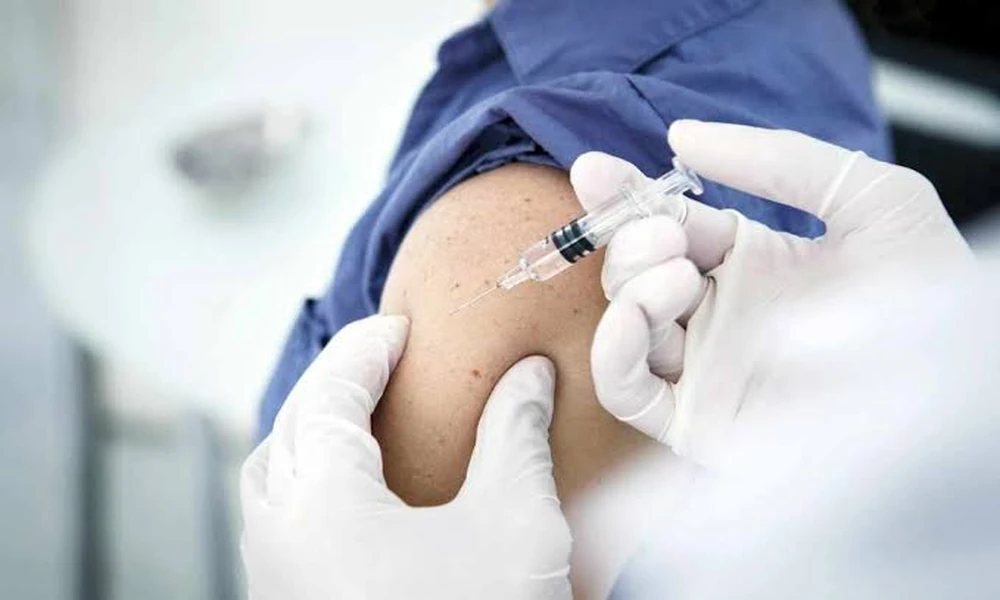
Childhood vaccinations help protect children from serious infectious diseases and reduce the spread of preventable illnesses. In Singapore, the National Childhood Immunisation Schedule (NCIS) outlines recommended vaccinations from birth through age 17, helping parents understand which vaccines their children need and when they should receive them.
Understanding the children’s NCIS vaccination schedule, possible side effects, and available vaccination services can make it easier for parents to keep their child’s immunisation records up to date.
What Are NCIS Vaccinations?
The NCIS vaccinations for children is Singapore’s national schedule of recommended childhood vaccinations. It covers vaccines against diseases such as tuberculosis, hepatitis B, diphtheria, tetanus, pertussis, polio, measles, mumps, rubella, chickenpox, and other infections.
Children’s NCIS vaccinations are given at specific ages because some vaccines require several doses or boosters to develop and maintain protection. Following the recommended schedule helps children receive protection when they need it.
Which Vaccines Are Included in the NCIS?
The schedule covers several important vaccines, with doses given at different stages of childhood. Some are administered at birth, while others are given during infancy, toddlerhood, or the school years.
At birth, recommended vaccinations include BCG and hepatitis B. During infancy, children receive combination vaccines that protect against diseases such as diphtheria, tetanus, pertussis and polio.
Around 12 to 18 months, children may receive vaccines against measles, mumps, rubella and chickenpox, alongside scheduled booster doses. Additional vaccinations and boosters may be recommended during the school years.
The exact timing depends on the current schedule and your child’s vaccination history. Parents should consult Singapore’s official NCIS for the latest recommendations.
Why Are Childhood Vaccinations Important?
Vaccines help the immune system recognise and respond to specific infections. This reduces the likelihood of contracting certain diseases and can lower the risk of severe complications.
Keeping children up to date also helps limit the spread of vaccine-preventable illnesses within families, schools and communities. Some infections can cause serious complications, particularly in young children and individuals with certain medical conditions.
Following the recommended schedule for children NCIS vaccinations helps parents avoid missed doses and ensure their children receive protection at the appropriate ages.
What Should Parents Prepare Before an Appointment?
A little preparation can make vaccination visits easier for both parents and children.
- Bring immunisation records. Take your child’s Child Health Booklet or check their available digital records.
- Share relevant medical information. Tell the healthcare provider about allergies, previous vaccine reactions, current illnesses and medications.
- Ask about missed doses. If your child has fallen behind, the provider can advise on an appropriate catch-up schedule.
- Help your child feel comfortable. Explain the procedure in simple, reassuring language and bring a familiar toy if it helps.
Avoid postponing an appointment without medical advice. If your child is unwell, ask the provider whether vaccination should proceed or be rescheduled.
What Side Effects Can Children Experience?
Most vaccine side effects are mild and temporary. Children may experience soreness, redness or swelling where the injection was given. Some may also develop a slight fever, tiredness, reduced appetite or mild discomfort.
Parents can help by offering fluids, allowing adequate rest and following the healthcare provider’s advice on managing discomfort. Do not give medication automatically; ask a healthcare professional about suitable options and doses.
Seek urgent medical attention if your child develops difficulty breathing, swelling of the face or throat, or other signs of a severe allergic reaction. Contact a healthcare provider if symptoms are persistent, worsening or concerning.
Are NCIS Vaccinations Compulsory in Singapore?
Not every vaccine in the schedule is compulsory. Under Singapore’s Infectious Diseases Act, vaccination against measles and diphtheria is compulsory for children, while other vaccinations are recommended according to national guidance.
Parents should also check eligibility for subsidies. Eligible Singaporean children may receive subsidies for specified nationally recommended vaccines at participating public healthcare settings, subject to applicable conditions.
For accurate information about costs, eligibility and appointments, consult your child’s doctor or the relevant official government resources.
How Can Parents Keep Track of Vaccinations?
Maintaining an organised record helps prevent missed doses and makes future appointments easier. Record each vaccination date, check upcoming recommendations and retain documentation from previous clinics.
For children NCIS vaccinations, parents can refer to their child’s Child Health Booklet or check available digital immunisation records. If your child was vaccinated overseas, bring the available documentation to a healthcare provider for review.
Conclusion
Understanding the National Childhood Immunisation Schedule helps parents make informed decisions about their children’s health. By tracking appointments, discussing concerns with healthcare professionals and following current recommendations, families can keep vaccinations on schedule.
Children NCIS vaccinations play an important role in protecting against serious infectious diseases. If you are uncertain about your child’s next dose or vaccination history, consult a healthcare provider for personalised guidance and an appropriate plan.