

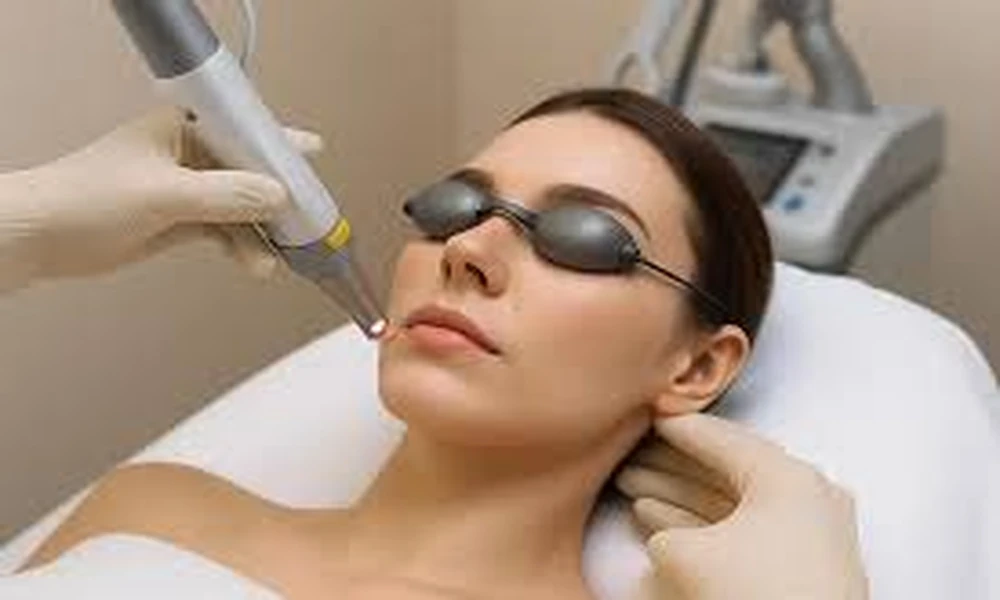
Laser treatments have gone from something whispered about to something discussed over lunch. Yet the more popular they become, the more questions people have. What does a laser actually do to skin? Is it painful? How many sessions are needed? Who should avoid it? If you have been reading about Fotana Singapore options, this question-and-answer guide covers the ten queries that come up most often. A quick note on spelling: the brand is usually written Fotona, but many people search for it as “Fotana”, so you will see both. The information here is general. Your own doctor is the right person to advise on your skin.
1. What Is a Fotona Laser?
Fotona is a manufacturer of medical laser systems used in several fields, including aesthetics and dentistry. In skin clinics, its systems are typically used for skin rejuvenation and related concerns. Many aesthetic lasers work by delivering controlled light energy to targeted layers of skin. Exactly which wavelengths and modes a given machine offers depends on the model, so it is worth asking the clinic what its device can and cannot do.
2. How Do Lasers Improve Skin in General?
Different laser modes work in different ways, but the broad idea is straightforward. Light energy is absorbed by specific targets in the skin, such as water or pigment. Depending on the setting, this can gently warm tissue or create tiny controlled areas of renewal, encouraging the skin to respond. Gentle settings usually mean less downtime and subtler change, while stronger settings may produce more noticeable change but need more recovery. A good doctor will match the setting to your goal and tolerance.
3. What Concerns Do People Usually Consider Lasers For?
People commonly ask about:
- Dullness and uneven skin texture.
- Enlarged-looking pores.
- Fine lines.
- Pigmentation and uneven tone.
- Acne marks and scarring.
- Overall skin quality and firmness.
Not every concern responds equally to the same laser, and some are better treated with other methods. A consultation should help sort out what is realistic.
4. Is It Painful?
Comfort varies with the person, the area and the settings. Many people describe sensations such as warmth, tingling or brief snapping, while others find it quite mild. Clinics often use cooling, numbing cream or adjusted settings to improve comfort. If you are nervous about pain, say so at the consultation, so the doctor can plan accordingly.
5. How Many Sessions Will I Need?
There is no single answer. Some people notice a change after one visit, while others are advised on a series spaced over weeks or months. The number depends on your concern, skin condition, chosen settings and how your skin responds. Be cautious of anyone who promises a precise outcome in a set number of sessions before examining your skin.
6. What Is Recovery Like?
Downtime ranges from almost none to several days of redness, mild swelling or flaking. You might be advised to:
- Avoid strong sun and wear a broad-spectrum sunscreen daily.
- Skip harsh actives, such as strong exfoliants or retinoids, for a period.
- Keep skin moisturised and avoid picking or scrubbing.
- Avoid heat-heavy activities for a short time, if advised.
Following aftercare matters as much as the treatment itself.
7. Who Should Be Careful or Avoid It?
Some situations call for extra caution or postponement, and a doctor should assess them. These can include recent heavy sun exposure, active skin infections or irritation, certain medications, a tendency to scar, pregnancy and some medical conditions. Be honest about your medical history and what you use on your skin, including supplements.
8. Does Skin Tone Matter?
Yes. Skin tone and pigmentation tendencies affect how a laser should be set, because darker skin can be more prone to pigment changes after some treatments. This is not a reason to avoid treatment, but it is a strong reason to choose a doctor who is experienced with a range of skin types and who explains the risks openly.
9. How Much Does It Cost?
Prices vary by clinic, treatment type, area and number of sessions. Rather than comparing a headline figure, ask what is included: the consultation, the device used, follow-up visits and aftercare products. A very low price is worth questioning, and so is any pressure to buy a large package immediately.
10. What Should I Ask at a Consultation?
Bring a short list of questions:
A confident clinic will answer clearly, without hurrying you.
Preparing for Your First Visit
- Arrive with a clean face, or follow the clinic’s instructions.
- Bring a list of medications, supplements and skincare products.
- Avoid heavy sun exposure beforehand.
- Take “before” photos so you can judge changes fairly.
- Plan your schedule so you are not rushing to an event afterwards.
Final Thoughts
A laser treatment is a medical-grade procedure, and it deserves the same care you would give any health decision. Learn the basics, ask honest questions, be open about your history and favour clinics that explain rather than pressure. With realistic expectations and good aftercare, you will be in a much better position to decide whether a laser treatment is right for you.