

Introduction
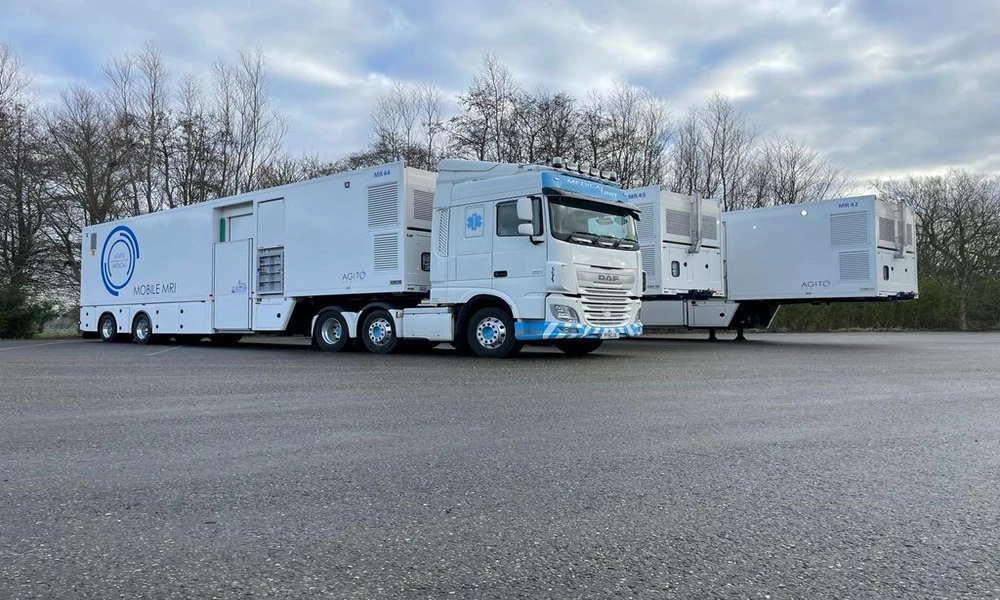
Mobile medical trailers provide a practical solution for delivering healthcare services directly to communities that have limited access to hospitals and clinics. These specially engineered trailers allow healthcare professionals to provide medical care in rural areas, schools, workplaces, disaster-affected locations, and community events. They improve healthcare accessibility while supporting efficient and reliable medical services. Careful planning, proper engineering, and regular maintenance help these trailers perform effectively in different environments. Following practical tips can improve healthcare delivery and strengthen community care through mobile medical trailers.
To maximize the impact of these mobile units, healthcare organizations must view them not merely as vehicles, but as specialized, high-performance infrastructure designed for complex clinical environments. Consulting a comprehensive Medical Trailers As Engineered Platforms Guide provides valuable insights into how customized structural framework, power management, and climate control systems directly influence long-term reliability. By understanding these technical fundamentals early in the planning process, operators can ensure their mobile units are fully equipped to handle demanding daily operations without compromising care quality.
Design an Efficient Interior Layout
A well-planned interior layout helps healthcare professionals provide medical services efficiently. Examination areas, storage spaces, and medical equipment should be arranged to support smooth workflow and reduce unnecessary movement. Proper lighting, ventilation, and comfortable patient areas also improve the quality of care. An organized design allows healthcare teams to perform their duties more effectively while creating a positive patient experience.
Keep Equipment and Supplies Organized
Medical equipment and supplies should always be stored in an organized manner. Clearly labeled storage compartments make it easier for healthcare professionals to locate tools, medications, and essential supplies during patient care. Regular inventory checks help ensure important resources remain available for every visit. Good organization improves efficiency and minimizes delays during healthcare services.
Maintain High Safety and Hygiene Standards
Maintaining a clean and safe environment is essential for every mobile medical trailer. Regular cleaning, equipment sanitization, and proper waste disposal help reduce health risks for both patients and healthcare professionals. Routine inspections of vehicle systems and medical equipment also help prevent unexpected problems. Strong safety practices support reliable healthcare delivery and improve patient confidence.
Plan Services Around Community Needs
Healthcare outreach is more effective when services match the needs of the local community. Healthcare providers should identify common health concerns and schedule services such as routine checkups, preventive care, health screenings, vaccinations, and health education. Regular outreach visits encourage people to seek medical care early and support better long-term health within the community.
Train Healthcare Teams Regularly
Healthcare professionals should receive ongoing training to improve their medical knowledge, communication skills, and emergency response abilities. Regular training also helps staff use equipment correctly and adapt to changing healthcare needs. Well-trained teams provide better patient care, improve service quality, and create greater confidence among community members.
Conclusion
Mobile medical trailers are valuable platforms for expanding healthcare access and strengthening community care delivery. Designing efficient interiors, organizing medical equipment, maintaining high safety standards, planning services around community needs, and regularly training healthcare teams all contribute to successful healthcare outreach. These practical tips improve service quality, operational efficiency, and patient satisfaction. By focusing on continuous improvement, healthcare providers can use mobile medical trailers to deliver reliable medical services and improve health outcomes for communities in a wide variety of locations.