

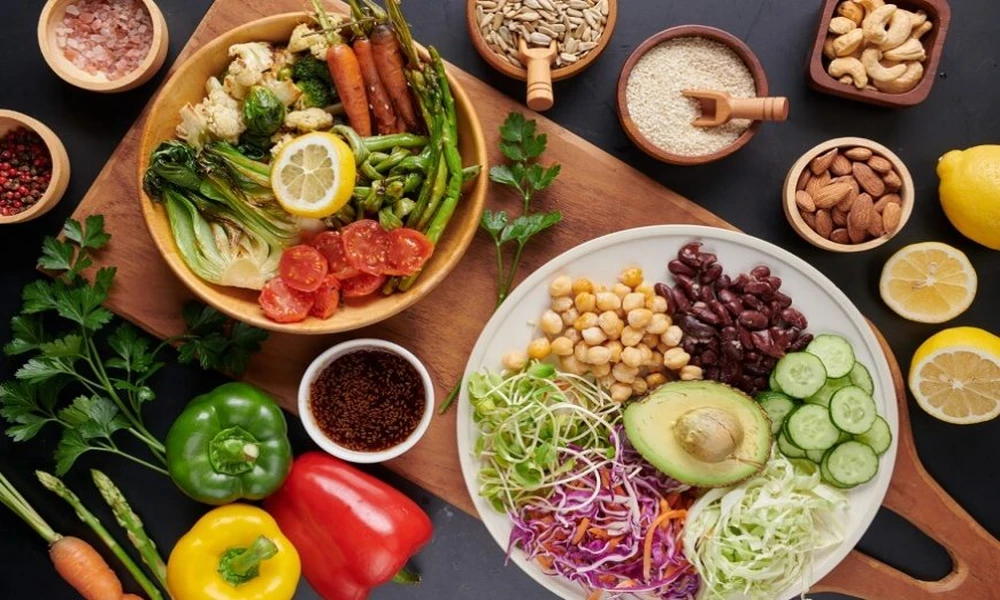
Raising a child on a plant-based diet is easier today than it has ever been. Supermarkets stock fortified plant milks, lentil pastas, and tofu in a dozen flavors. But one nutrient still causes more confusion than most among vegan and vegetarian parents: omega-3 fatty acids.
Most omega-3 advice assumes kids eat fish. If your family doesn’t, you need a slightly different plan. The good news is that it’s entirely doable once you understand how these fats work.
Not all omega-3s are the same
“Omega-3” is an umbrella term for a group of fats. Three matter most for health:
- ALA (alpha-linolenic acid) is found in plants, especially flaxseed, chia seeds, hemp seeds, walnuts, and canola and soybean oils.
- EPA (eicosapentaenoic acid) is found mainly in fish and seafood.
- DHA (docosahexaenoic acid) is also found mainly in fish and seafood, and it’s especially concentrated in the brain and the retina of the eye.
ALA is considered essential, meaning the body can’t make it and must get it from food. The body can convert some ALA into EPA and DHA, but only in small amounts. That’s the key issue for plant-based kids: they can get plenty of ALA from food, but their EPA and DHA levels depend heavily on that limited conversion.
Why these fats matter for children
Omega-3s are structural building blocks of cell membranes throughout the body. DHA in particular is highly concentrated in brain and eye tissue, which is why it gets so much attention during pregnancy, infancy, and early childhood, when those systems are developing quickly.
Researchers are also studying omega-3s in relation to children’s attention, learning, and allergies, though the evidence in those areas is still developing. What’s clear is that omega-3s are a normal part of healthy growth, and children on any diet should get a reliable supply.
How much do kids need?
Official recommended amounts exist for ALA, but not yet for EPA and DHA. According to the NIH Office of Dietary Supplements, the recommended daily ALA intake is about 0.7 grams for children aged 1 to 3, 0.9 grams for ages 4 to 8, and 1.0 to 1.2 grams for ages 9 to 13, depending on sex.
Those numbers are easy to reach with plant foods. A single teaspoon of ground flaxseed or a tablespoon of chia seeds covers a young child’s daily ALA with room to spare. The bigger question for plant-based families is DHA.
The best plant sources of ALA
These foods are worth building into a child’s weekly routine:
- Ground flaxseed. Grind it (or buy it pre-ground) because whole seeds often pass through undigested. Stir it into oatmeal, pancake batter, muffins, and smoothies.
- Chia seeds. Kids often love chia pudding made with fortified plant milk, cocoa, and fruit. Chia also thickens smoothies and jams.
- Hemp seeds. Soft, mild, and easy to sprinkle over pasta, salads, rice bowls, or yogurt.
- Walnuts. Chop them finely for younger children to reduce choking risk, or blend into pesto and sauces.
- Canola and soybean oils. Using these for everyday cooking adds a steady background source of ALA.
A practical target is to include at least one of these foods every day. Rotating between them keeps meals interesting and avoids relying on a single ingredient.
Algae: the plant-based answer to DHA
Here’s something many parents don’t know: fish don’t actually make DHA and EPA themselves. They accumulate it by eating microalgae, or by eating smaller fish that ate the algae. That means plant-based families can go straight to the original source.
Algal oil supplements provide DHA, and often EPA, without any fish. The NIH Office of Dietary Supplements fact sheet on omega-3s lists algal oil as a vegetarian source alongside fish oil and krill oil. For many vegan and vegetarian families, an algae-based omega-3 is the simplest way to make sure a child’s DHA intake doesn’t depend entirely on how efficiently their body converts ALA.
Some foods are also fortified with algal DHA, including certain plant milks, yogurts, and infant formulas. Check labels, since fortification varies widely between brands.
Choosing an algae-based supplement for kids
If you decide a supplement makes sense for your child, a few things are worth checking:
- Form. Liquids, gummies, and small chewable softgels are all available. Pick whatever your child will take consistently.
- DHA and EPA content per serving. Labels should list both. Compare the amounts rather than relying on front-of-pack claims.
- Added sugar. Gummies can be a convenient option, but look at how much sugar each serving adds.
- Third-party testing. Seals from independent testing organizations help confirm that what’s on the label is what’s in the bottle.
- Taste and storage. Omega-3 oils can go rancid. Store them as directed and replace any product that smells off.
Always talk with your pediatrician or a registered dietitian before starting a supplement, especially for toddlers or children with medical conditions. They can recommend an appropriate dose for your child’s age and diet.
Getting kids to actually enjoy these foods
Knowing what to serve is only half the battle. A few ideas that tend to win over young eaters:
- Chia pudding “parfaits” layered with berries and granola.
- Flax pancakes or waffles with a spoonful of ground flax in the batter.
- Hemp seed “sprinkles” kids can shake over their own pasta.
- Walnut-banana muffins for lunchboxes.
- Smoothies with frozen fruit, fortified soy milk, and a spoon of chia or flax blended in until invisible.
Involving kids in cooking, letting them measure seeds or stir the pudding, often makes them far more willing to eat the result.
The bottom line
Plant-based kids can absolutely get the healthy fats they need. ALA is easy: a daily spoonful of ground flax, chia, or hemp seeds, along with walnuts and everyday cooking oils, will cover most children’s needs. DHA takes a little more intention, and that’s where algae-based supplements and fortified foods earn their place.
Build in the seeds, ask your child’s doctor about algal DHA, and you’ll have one of the trickiest nutrients in plant-based eating well under control.
This article is for general information and isn’t a substitute for advice from your child’s pediatrician or a registered dietitian.